
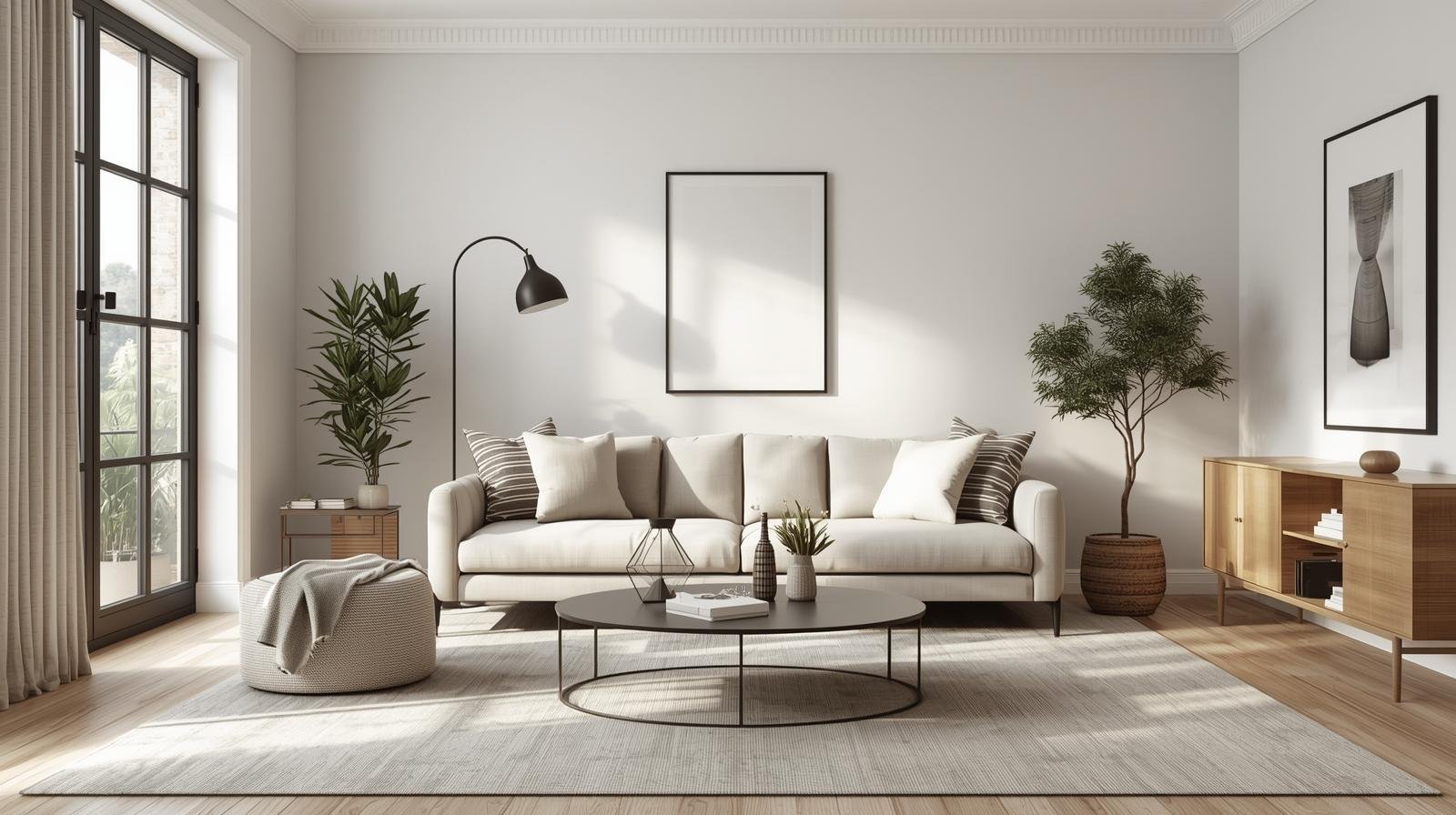
What if your home could feel like a deep breath? Calm, clear, uncluttered, and completely at ease. What if walking through your front door meant leaving the noise and chaos of the outside world behind and stepping into a space that genuinely restores you?
That is the quiet promise of minimalist home decor — and it’s a promise that more and more people are choosing to embrace.
Minimalism as a design philosophy has been growing steadily in influence for years, and in 2026, it has evolved into something even more compelling than its earlier, starker incarnations. Today’s minimalist home decor is not about cold, empty rooms with nothing on the walls and nowhere comfortable to sit. It’s about warmth, intention, quality, and the liberating feeling that comes from surrounding yourself only with things that genuinely matter.
Whether you’re ready for a complete minimalist transformation or you simply want to bring a little more calm and clarity into your existing space, these 10 simple and beautifully practical minimalist home decor ideas will show you exactly how to do it — without losing the warmth, personality, or comfort that makes a house feel like a home.
What Minimalist Home Decor Really Means in 2026
Before we dive into the ideas, it’s worth taking a moment to understand what modern minimalist home decor actually means — because the definition has evolved considerably.
Early minimalism was often associated with stark white rooms, bare concrete floors, and an almost clinical absence of personality. It was beautiful in photographs, but frequently uncomfortable to actually live in. That version of minimalism left many people feeling like they had to choose between style and comfort.
The minimalism of 2026 makes no such demand. Today’s approach is warmer, softer, and more human. It’s often called warm minimalism or quiet luxury minimalism, and it combines the core minimalist values of simplicity, intentionality, and restraint with genuine warmth, tactile richness, and personal meaning.
The result is a home that feels both beautifully composed and genuinely livable. A home where every item has been chosen deliberately, where surfaces breathe freely, and where the overall effect is one of deep, abiding calm. That’s the minimalist home decor we’re exploring today.
Idea 1 — Declutter First, Decorate Second
There is one foundational truth about minimalist home decor that no amount of beautiful furniture or clever styling can work around: minimalism begins with less, not more.
Before you buy a single new item, paint a single wall, or rearrange a single shelf, the first and most important step is to declutter your home thoroughly and honestly.
This means going through every room, every drawer, every cupboard, and every surface and making a clear-eyed decision about each item you own. Ask yourself three simple questions about each piece:
- Do I genuinely use this regularly?
- Do I genuinely love this and find it beautiful?
- Does this item serve a clear purpose in my home?
If the answer to all three questions is no, the item does not belong in a minimalist home. Donate it, sell it, or let it go.
This process is rarely quick, and it’s rarely emotionally simple. But it is transformative in a way that no amount of new decor can replicate. A decluttered home — one where every remaining item is either useful, beautiful, or both — already looks and feels more minimalist, more calm, and more intentional before you’ve changed a single decorative element.
Decluttering is not a one-time event either. In a truly minimalist home, it becomes an ongoing practice — a regular, gentle audit of what you own and what genuinely deserves to stay.
Idea 2 — Choose a Calm, Cohesive Color Palette
Color is one of the most powerful tools in minimalist home decor, and choosing it well makes an enormous difference to how calm and cohesive your space feels.
The minimalist approach to color is not necessarily about choosing white, though white and soft off-whites remain beautiful and enduringly popular. It’s about choosing a limited palette of two to three tones that feel harmonious, warm, and deeply restful together, and then committing to it consistently throughout your home.
The most effective minimalist color palettes in 2026 include:
- Warm white and natural linen — clean, fresh, and beautifully timeless
- Soft greige and warm cream — sophisticated and grounding without feeling cold
- Pale sage and off-white — nature-inspired and wonderfully calming
- Warm taupe and ivory — rich and elegant in their understated way
- Soft charcoal and warm grey — modern and quiet, especially beautiful with warm wood accents
The key is consistency. When your walls, larger furniture pieces, and main textiles all belong to the same calm color family, the room feels visually unified and restful. Introduce your palette’s accent tone — slightly deeper or warmer than your main color — through cushions, throws, and small decorative objects.
Avoid the temptation to use too many colors, even subtle ones. In minimalist home decor, color restraint is one of the most powerful tools you have.
Idea 3 — Invest in Quality Over Quantity for Furniture
In a minimalist home, furniture is not filler. Every piece you choose needs to be genuinely beautiful, genuinely functional, and genuinely worthy of the space it occupies. This means buying less furniture overall — but choosing each piece with real care and investing more in its quality.
A room with three outstanding furniture pieces will always look more beautiful and feel more sophisticated than a room crammed with ten mediocre ones. In minimalist home decor, space is not a design failure — it’s a deliberate and elegant choice.
When selecting furniture for a minimalist home, look for these qualities:
- Clean, simple silhouettes without excessive ornamentation or fussy detailing
- Natural materials — solid wood, linen upholstery, leather, stone — that improve with age rather than degrading quickly
- Neutral tones that integrate seamlessly with your chosen color palette
- Functional design that earns its place through usefulness as well as aesthetics
- Generous proportions that feel comfortable and human rather than merely visually slim
Some of the best minimalist furniture investments you can make include a beautifully simple linen sofa in a warm neutral tone, a solid wood dining table with honest joinery and no unnecessary embellishment, and a bed frame with a clean, architectural headboard in natural wood or upholstered linen.
These are pieces that will look as beautiful in fifteen years as they do today — and that longevity is itself deeply minimalist in philosophy.
Idea 4 — Embrace the Power of Negative Space
This is the minimalist home decor concept that confuses people most — and the one that transforms spaces most dramatically once properly understood.
Negative space is the empty, unoccupied area in a room. The clear stretch of wall between two pieces of furniture. The open surface of a coffee table with just one beautiful object on it. The breathing room between items on a shelf. Far from being wasted space, negative space is an active and essential design element in minimalist interiors.
When a room has generous negative space, several important things happen:
- The eye is drawn to the items that are present, which makes each piece feel more significant and more intentional
- The room feels larger, calmer, and less visually demanding
- The overall aesthetic feels considered and deliberate rather than random and accumulated
- Movement through the space feels easier and more natural
Practically, embracing negative space means resisting the urge to fill every surface, hang something on every wall, and push furniture against every possible edge. Leave walls bare. Keep tables clear. Give each beautiful object room to breathe and be seen.
This is genuinely one of the harder minimalist habits to develop, particularly if you’ve previously decorated in a more maximalist or eclectic style. But it’s also one of the most rewarding. Once you experience how a generously spaced, breathing room feels, you’ll never want to go back.
Idea 5 — Choose Functional Decor That Earns Its Place
One of the most elegant principles of minimalist home decor is the concept of functional beauty — choosing objects that are both genuinely useful and genuinely beautiful, so that nothing in your home exists purely as decoration without purpose.
This doesn’t mean your home should feel utilitarian or devoid of warmth. It means choosing your decorative items with an extra layer of discernment — asking not just whether something is attractive, but whether it also adds value to your daily life.
Some beautiful examples of functional decor done well:
- A handmade ceramic bowl on the kitchen counter that holds fruit, keys, or everyday essentials
- A beautifully crafted wooden tray that organizes remote controls, candles, or coffee table items while looking impeccably styled
- A quality linen throw on the sofa that is genuinely used on cool evenings rather than existing purely for show
- A sculptural floor lamp that provides both warm ambient lighting and a striking visual focal point
- A stack of carefully chosen books that you actually read and that also add color and texture to a shelf
- Plants in simple, quality ceramic pots that bring life and beauty while also improving air quality
When every item in your home serves a real purpose — even if that purpose is simply the daily pleasure of looking at something genuinely beautiful — your space achieves the deepest kind of minimalist harmony.
Idea 6 — Use Natural Materials and Textures for Warmth
One of the most important developments in modern minimalist home decor is the understanding that minimalism and warmth are not opposites. A minimalist home does not have to feel cold, hard, or unwelcoming — and the best way to ensure it doesn’t is through the generous use of natural materials and subtle textures.
Natural materials bring a sensory richness and organic warmth to minimalist spaces that prevent them from feeling sterile or empty. They add interest and depth through texture alone, without introducing visual complexity or clutter.
The most beautiful natural materials for a minimalist home include:
- Linen and cotton in undyed or naturally toned fabrics for cushions, curtains, and throws
- Solid wood in warm honey or walnut tones for furniture, shelving, and floors
- Wool in the form of a textured rug, a chunky knit throw, or a bouclé chair
- Rattan and wicker in furniture, lampshades, and decorative baskets
- Natural stone or stone-effect surfaces for kitchen and bathroom countertops
- Ceramic and stoneware in simple, honest forms for tableware and decorative objects
- Linen-look wallpaper or textured plaster wall finishes for subtle, tactile wall interest
When your minimalist home is filled with natural materials, it feels warm, grounded, and genuinely human — not cold and clinical. That balance between restraint and warmth is the hallmark of truly great minimalist home decor.
Idea 7 — Adopt a One In, One Out Rule for Ongoing Minimalism
Achieving a minimalist home is one thing. Maintaining it over months and years is another — and this is where many people struggle.
The one-in, one-out rule is the simplest and most effective strategy for keeping your home minimalist as your life continues to evolve. The principle is exactly as it sounds: whenever a new item enters your home, an existing item must leave.
Buy a new cushion? An old one gets donated. Receive a new piece of artwork as a gift? An existing piece needs to find a new home. Bring home a new plant? Reassess whether you have too many already and let one go.
This rule prevents the slow, gradual accumulation of objects that eventually turn a beautifully minimal space back into a cluttered one. It builds a healthy habit of ongoing curation — constantly asking whether each item in your home is still earning its place.
Applied consistently, the one-in, one-out rule transforms minimalism from a one-time project into a genuine lifestyle. Your home remains calm, considered, and beautiful not through a single heroic decluttering session but through hundreds of small, daily decisions made with intention.
Idea 8 — Simplify Your Surfaces Ruthlessly
Surfaces — countertops, coffee tables, dining tables, dressers, windowsills — are where clutter accumulates most visibly and most damagingly in any home. In minimalist home decor, keeping your surfaces clear is one of the most important and immediately impactful practices you can adopt.
The goal is not bare surfaces devoid of anything at all. It’s intentionally styled surfaces where every visible item has been consciously chosen to be there.
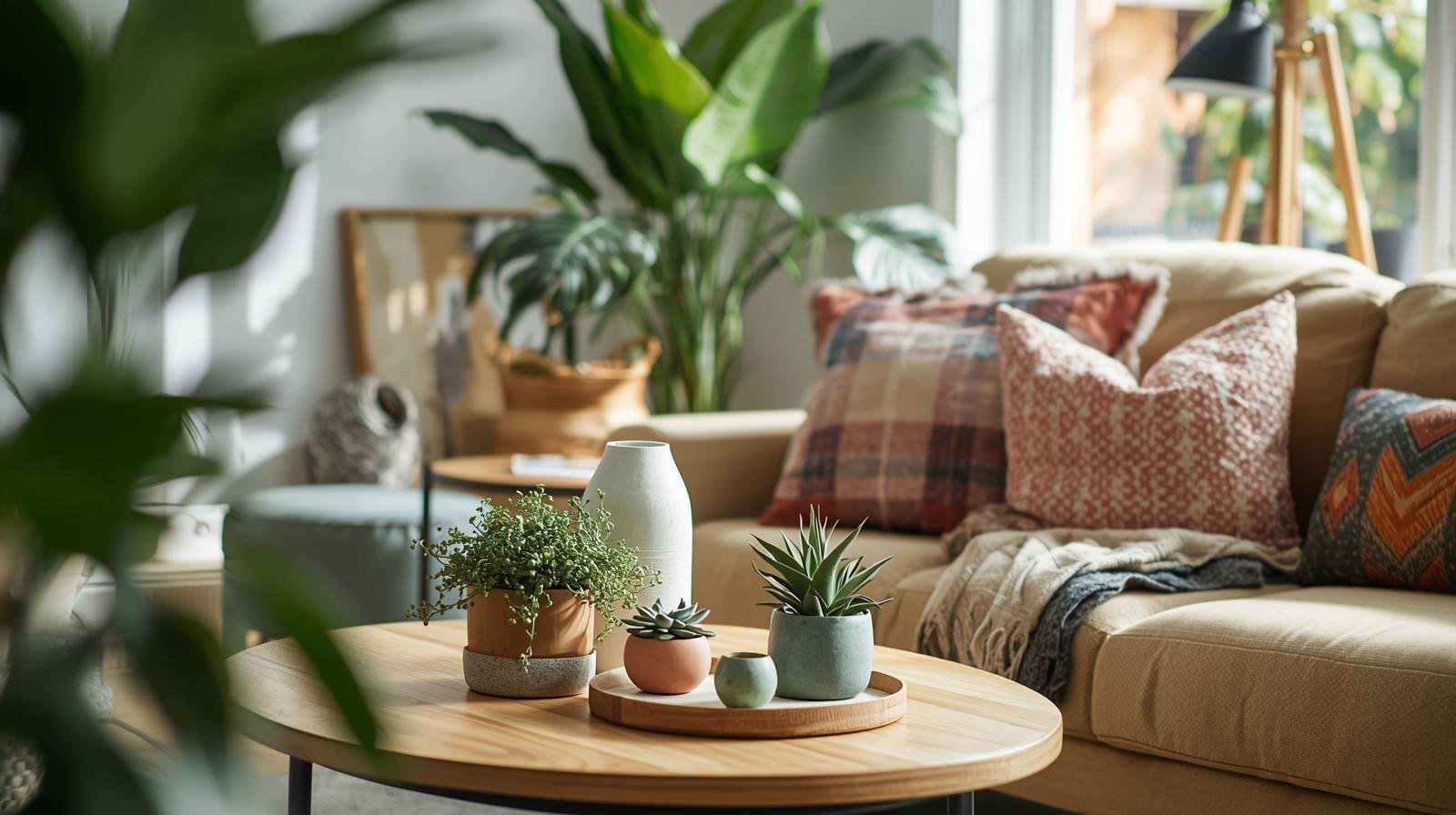
A beautifully minimalist coffee table might hold just one or two of the following:
- A single sculptural object in a natural material — a smooth stone, a wooden bowl, a ceramic piece
- A small stack of two or three books with attractive spines
- One simple candle in a clean holder
- A single small plant in a quality ceramic pot
That’s it. Everything else lives inside a drawer, a basket, or a cabinet. The surface breathes. The eye rests. The room feels calm and completely in control.
Apply the same principle to your kitchen counters, bathroom surfaces, bedroom dressers, and hallway console tables. The less that lives on your surfaces, the more spacious, peaceful, and polished your entire home feels.
Idea 9 — Let Light Be Your Most Important Decorative Element
Natural light is the greatest ally of minimalist home decor, and maximizing it throughout your home is one of the most transformative and cost-free improvements you can make.
Light-filled spaces feel larger, cleaner, calmer, and more beautiful. They showcase the natural materials and honest craftsmanship that minimalist homes celebrate. And they reduce the dependence on artificial lighting that can make spaces feel harsh and flat.
Here’s how to maximize natural light in a minimalist home:
- Keep window areas completely clear of furniture and heavy objects that might obstruct the flow of light
- Choose lightweight, sheer linen curtains in a warm white or natural tone rather than heavy drapes that swallow daylight
- Position mirrors thoughtfully opposite windows or at angles that reflect light deeper into darker areas of your home
- Keep windowsills clear — a single small plant or nothing at all is the minimalist choice
- Clean your windows regularly — it makes a surprisingly significant difference to how much light enters a room
For artificial lighting, choose warm, dimmable options that can be adjusted to create different moods throughout the day. Wall sconces, floor lamps with warm bulbs, and simple pendant lights in natural materials all work beautifully in minimalist interiors. Avoid harsh overhead fluorescent lighting entirely if possible.
Idea 10 — Add Meaning Through Carefully Chosen Decor Accents
The final and perhaps most personal of all minimalist home decor ideas is this: when you strip away the excess, the items that remain need to truly matter.
A minimalist home is not a show home. It’s not a hotel lobby. It’s a deeply personal space that reflects who you are and what genuinely brings you joy — just expressed with extraordinary restraint and intention.
The art on your walls, the books on your shelves, the objects on your coffee table — each of these should be something you genuinely love, something that brings you real pleasure every time your eye falls on it.
Some beautiful ways to add personal meaning to a minimalist space:
- Display one or two pieces of artwork that genuinely move you — a single large print or an original piece of art from a maker you admire
- Keep a small collection of the books that have meant the most to you, displayed spine-out on a dedicated shelf
- Place one meaningful object — a travel find, an inherited piece, a handmade gift — in a position of quiet prominence
- Choose a single variety of fresh flower or a single beautiful plant and let it be the living focal point of a room
- Display a family photograph in one beautiful, simple frame rather than creating a sprawling gallery
In a minimalist home, each of these items receives the full attention it deserves because it’s not competing with dozens of other things for your eyes and your emotional energy. That focused, uncluttered attention is one of the most beautiful gifts minimalist home decor gives you.
The Modern Minimalist Aesthetic — Styles to Explore in 2026
If you’re looking for a specific visual direction to guide your minimalist home decor journey, here are the most influential minimalist sub-styles shaping interiors in 2026:
- Warm Minimalism: Soft neutrals, natural materials, bouclé textures, and gentle curves. The most popular and accessible minimalist style right now.
- Japandi: A beautiful blend of Japanese wabi-sabi philosophy and Scandinavian functional simplicity. Characterized by natural wood, honest craftsmanship, muted earthy tones, and deep respect for quiet beauty.
- Quiet Luxury: Understated elegance expressed through the finest materials — cashmere, fine linen, solid brass, aged leather — used with complete restraint and confidence.
- Nordic Minimalism: Clean lines, pale woods, white walls, and a warm, hygge-inspired coziness that prevents the style from ever feeling cold or unwelcoming.
- Organic Minimalism: Earthy tones, natural textures, handmade ceramics, and an emphasis on the beauty of imperfect, organic forms in a restrained, uncluttered setting.
Conclusion — Less Truly Is More
Minimalist home decor asks something of us that our culture rarely does: to stop. To choose less. To find beauty not in abundance but in restraint, not in accumulation but in intention. And when we genuinely commit to that philosophy — even partially, even gradually — the results are extraordinary.
A minimalist home is quieter, calmer, and cleaner than most of us have ever experienced our homes being. It’s easier to maintain, easier to move through, and easier to think clearly in. And paradoxically, it often feels more personal and more beautiful than spaces filled with far more objects — because everything that remains has been chosen with genuine care.
You don’t need to transform your entire home overnight. Start with one room — ideally the space where you most need calm and clarity, whether that’s your bedroom, your living room, or your home office. Apply the ten ideas in this guide one by one, working steadily and intentionally.
Clear your surfaces. Edit your belongings. Choose quality over quantity. Let light flood in. Give the beautiful things you own room to breathe.
Your calm, clean, genuinely beautiful home is not a distant dream. It’s closer than you think — hidden just beneath the clutter, waiting patiently for you to set it free.
Frequently Asked Questions (FAQs)
H3: 1. What is minimalist home decor, and how is it different from other styles? Minimalist home decor is an interior design approach based on simplicity, intentionality, and the deliberate removal of excess. Unlike maximalist or eclectic styles that celebrate abundance and variety, minimalism prioritizes quality over quantity, function alongside beauty, and calm over stimulation. Modern minimalist home decor is warmer and more personal than its earlier, starker versions, embracing natural materials, soft colors, and meaningful objects within a restrained, beautifully edited framework.
2. How do I start creating a minimalist home without it feeling empty? The key is to distinguish between empty and spacious. Start by decluttering thoroughly, then reintroduce only items that are genuinely beautiful, useful, or meaningful to you. Choose natural materials like wood, linen, and wool to add warmth and texture. Keep your color palette warm and cohesive. Add a few meaningful personal touches — a plant, a piece of art you love, a favorite book. The goal is a home that breathes freely, not one that feels bare or impersonal.
3. Can minimalist home decor work in a family home with children? Absolutely. In fact, many families find that a more minimalist approach makes their home significantly easier to manage, clean, and keep organized. The key is investing in smart storage solutions that keep everyday items out of sight but easily accessible, choosing durable natural materials that age gracefully rather than showing every mark, and applying the one-in, one-out principle to children’s toys and belongings as well as adult items. Minimalism in a family home is about simplification, not deprivation.
4. What colors work best for a minimalist home interior? The best colors for minimalist home interiors are warm, muted neutrals that feel cohesive and restful. Warm whites, soft off-whites, gentle greiges, pale sage greens, and warm taupes are all excellent foundational choices. The most important principle is to limit your palette to two or three tones used consistently throughout the space. In 2026, warm minimalism favors tones with yellow or red undertones rather than cool grey-based neutrals, which can feel clinical rather than inviting.
5. Is minimalist home decor expensive to achieve? Minimalism is ultimately about spending less, not more. While it’s worth investing in a few high-quality anchor pieces — a beautiful sofa, a solid wood dining table, quality linen bedding — the minimalist approach actively resists the accumulation of many decorative items and impulse purchases. The decluttering process itself costs nothing and often generates income through selling unwanted items. Overall, a genuinely minimalist approach to home decor tends to reduce spending significantly over time by prioritizing durability, intentionality, and restraint over constant purchasing.

Leave a Reply