
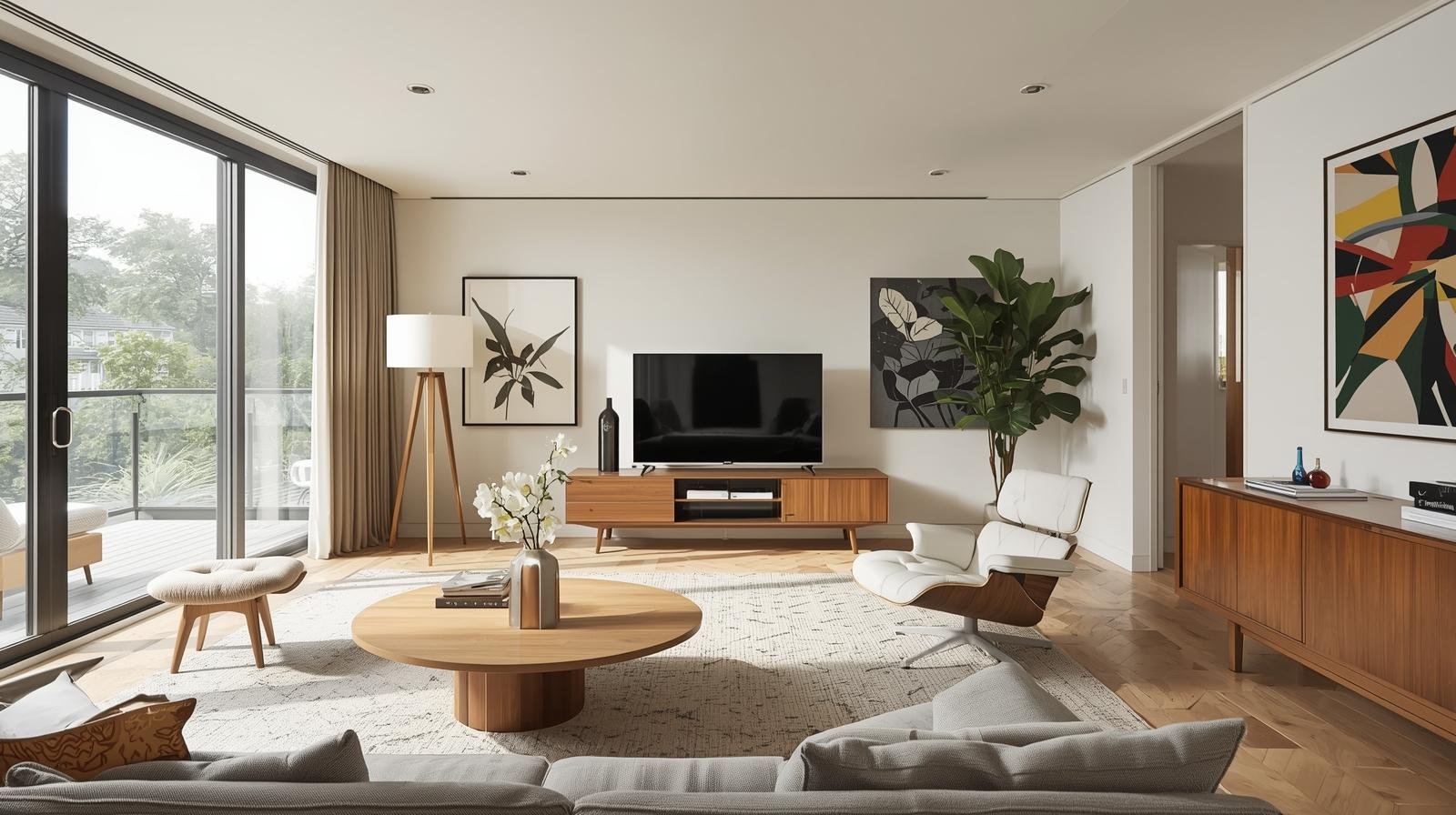
Every new year brings a fresh wave of inspiration to the world of interior design, and 2026 is shaping up to be one of the most exciting years for home decor in recent memory. If you’ve been feeling like your home needs a refresh — a new energy, a new direction, or just a few carefully chosen updates — you’ve landed in exactly the right place.
The 2026 home decor trends are a fascinating mix of the bold and the calm, the high-tech and the deeply natural, the nostalgic and the forward-looking. This year is all about creating homes that feel genuinely personal, emotionally comforting, and thoughtfully designed for the way we actually live today.
Gone are the days of following one rigid design rulebook. The most exciting interiors of 2026 are layered, intentional, and deeply human. They reflect the values, personalities, and lifestyles of the people who live in them — and they look absolutely beautiful doing it.
Whether you’re planning a full room overhaul or just looking for a few fresh ideas to breathe new life into your space, this guide covers every major 2026 home decor trend you need to know about — and exactly how to bring each one into your own home.
Why 2026 Is a Pivotal Year for Home Decor
The way we think about our homes has shifted profoundly over the past few years. Home is no longer just a place to sleep and store our belongings. It’s where we work, create, recover, connect, and find meaning. That shift has had a deep and lasting impact on interior design.
The 2026 home decor trends reflect a collective desire to create spaces that truly support our wellbeing — homes that feel as good as they look. Sustainability, sensory comfort, craftsmanship, and personal expression are the values driving design decisions this year.
At the same time, 2026 brings a sense of creative liberation. After years of clean-line minimalism dominating the conversation, there’s a genuine hunger for more warmth, more personality, more color, and more life in our living spaces. That hunger is reflected in every major trend we’re about to explore.
Trend 1 — Warm, Moody Color Palettes Take Center Stage
If there’s one overarching color story defining the 2026 home decor trends, it’s this: warmth wins. The cool, grey-dominated palettes that ruled the 2010s are firmly in the past. This year, it’s all about colors that feel rich, grounding, and emotionally resonant.
The most influential colors of 2026 include:
- Deep terracotta and burnt sienna — earthy, warm, and deeply comforting
- Aged bronze and warm copper tones — luxurious without being cold
- Chocolate brown and rich espresso — a sophisticated, grounding anchor for any room
- Forest green and deep olive — nature-inspired tones that feel both fresh and timeless
- Warm burgundy and muted plum — moody and romantic without being oppressive
- Dusty mauve and faded rose — soft and nostalgic with a thoroughly modern feel
The key to using these colors well in 2026 is confidence. This is not the year for tentative half-measures. Paint a whole room in a deep, enveloping tone. Choose a sofa in rich chocolate velvet. Commit to a color and let it transform your space completely.
Balance bolder choices with natural materials, warm wood tones, and soft textiles to keep the palette feeling livable and inviting rather than overwhelming.
Trend 2 — Biophilic Design Reaches New Depths
Biophilic design — the practice of bringing natural elements into the home to support human wellbeing — has been growing steadily for several years. In 2026, it evolves from a trend into an expectation. Truly great home design this year will almost always have a strong, genuine connection to the natural world.
But 2026 biophilic design goes beyond simply adding a few houseplants. This year, the approach is more immersive and more architectural:
- Living walls and vertical plant installations are moving from restaurants and offices into private homes, creating entire walls of cascading greenery.
- Natural stone — both real and high-quality stone-effect materials — is being used extensively for floors, kitchen countertops, bathroom walls, and even furniture surfaces.
- Water features, once reserved for outdoor spaces, are appearing inside homes in the form of small indoor fountains and wall-mounted water elements that bring calming sound and movement.
- Raw, unfinished natural materials like rough linen, undyed wool, raw-edge wood, and unpolished stone are celebrated for their imperfect, organic beauty.
- Natural light is being prioritized more than ever, with skylights, glass walls, and carefully positioned mirrors used to maximize sunlight throughout the day.
The underlying philosophy is that when our homes feel connected to nature, we feel calmer, more creative, and more at ease. The 2026 approach to biophilic design makes that connection deeper and more meaningful than ever before.
Trend 3 — Curved and Organic Furniture Shapes Continue to Dominate
Sharp corners and rigid geometric forms are stepping back in 2026. The most covetable furniture pieces this year feature soft, rounded silhouettes that feel gentle, welcoming, and deeply human.
This trend toward organic shapes has been building momentum for a few years, but in 2026, it becomes truly mainstream. You’ll see it everywhere:
- Curved sofas with deep, generous seats and softly rounded arms
- Bouclé and boucle-effect armchairs in half-moon or egg shapes
- Round and oval dining tables are replacing rectangular ones in open-plan spaces
- Arched headboards in upholstered linen or velvet
- Curved shelving units and display cabinets with softened corners
- Kidney-shaped coffee tables and side tables
Beyond aesthetics, there’s a strong psychological case for curved furniture. Research consistently shows that people respond more positively to curved forms than to sharp angles — they feel safer, softer, and more inviting. In a world that can feel chaotic and sharp-edged, our homes are increasingly designed as a gentle counterpoint.
To incorporate this trend, start with one statement curved piece — a rounded sofa, an arched mirror, or a circular dining table — and build the rest of the room around it.
Trend 4 — Sustainable and Conscious Decorating Becomes Non-Negotiable
In 2026, sustainability in home decor moves from a nice-to-have to a genuine design priority for a growing number of homeowners. The conversation is no longer just about recycled materials — it’s about a fundamentally more thoughtful, responsible approach to how we furnish and decorate our homes.
The most important sustainability trends shaping 2026 home decor include:
- Buying secondhand and vintage first: Pre-loved furniture shopping has exploded in popularity, driven by both environmental awareness and the undeniable charm of pieces with history and character.
- Choosing natural and biodegradable materials: Linen, wool, cotton, wood, rattan, jute, and cork are favored over synthetics wherever possible.
- Investing in quality over quantity: There’s a strong shift away from disposable, trend-chasing decor toward fewer, better pieces that are built to last for decades.
- Supporting independent makers and artisans: Handmade ceramics, locally crafted furniture, and independent textile designers are increasingly preferred over mass-produced alternatives.
- Repurposing and upcycling existing pieces: Painting an old dresser, reupholstering a tired sofa, or refinishing a wooden table is not just budget-friendly — it’s actively celebrated as the more creative and conscious choice.
Sustainable decorating in 2026 isn’t about sacrifice. It’s about making choices that feel better — better for the planet, better for your home, and better for the communities of makers and craftspeople whose work you’re supporting.
Trend 5 — Maximalist Moments and Curated Eclecticism
After years of minimalism setting the agenda, 2026 sees a confident, joyful embrace of more. More color, more pattern, more texture, more personality. But this is not the chaotic maximalism of the past — it’s curated, intentional, and deeply considered.
The new maximalism of 2026 is about abundance done with intelligence. Here’s what it looks like in practice:
- Gallery walls that mix fine art prints, vintage photographs, sculptural objects, and mirrors in a composition that feels personal and deliberate
- Pattern mixing that combines florals, geometric prints, and abstract designs within a consistent color palette
- Bookshelves styled as genuine showcases of personality — books, objects, plants, and art all coexisting in a layered, three-dimensional display
- Collections proudly displayed rather than hidden away — vintage ceramics, artisan pottery, travel finds, and handmade pieces grouped to tell a story
- Bold wallpaper is making a powerful comeback, used on feature walls, in alcoves, and even on ceilings for maximum impact
The guiding principle of 2026’s maximalist approach is that every object on display should be genuinely loved or beautiful or both. Clutter is still the enemy — but carefully curated abundance is very much the goal.
Trend 6 — Textural Richness and Sensory Interiors
One of the most exciting 2026 home decor trends is the growing emphasis on how a home feels as much as how it looks. Tactile richness — the way surfaces, textiles, and materials feel beneath your hands and against your skin — is being recognized as a crucial component of a truly comfortable, beautiful home.
This sensory approach to interior design expresses itself in several key ways:
- Bouclé upholstery on sofas, chairs, and ottomans for a cloud-soft, deeply tactile surface
- Fluted and reeded detailing on cabinet doors, furniture panels, and architectural features
- Limewash and plaster wall finishes that create subtle, organic texture on painted surfaces
- Layered rugs in varying textures — a flat-weave kilim beneath a thick, high-pile shag
- Velvet, corduroy, and waffle-weave textiles are used generously across cushions, curtains, and throws
- Handmade and artisan ceramics celebrated for their imperfect, tactile surfaces
- Woven pendant lampshades and rattan furniture that cast beautiful textured shadows
When your home engages multiple senses — when it feels as good as it looks — it becomes a genuinely restorative environment. This is the ultimate goal of 2026’s most sophisticated interiors.
Trend 7 — The Return of Warm Wood Tones
Cool greys and bleached oak finishes defined the interiors of the 2010s. In 2026, the pendulum has swung firmly back toward warmer, richer wood tones that bring honey-gold warmth and natural beauty to every room.
The most sought-after wood tones and finishes this year include:
- Walnut: Deep, rich, and with a beautiful natural grain — walnut is having a major moment in dining tables, bedroom furniture, and cabinetry.
- Oak in warm honey tones: Not the pale, almost white oak of recent years, but a warmer, more golden expression of this classic wood.
- Teak and mango wood: Tropical hardwoods with interesting grain patterns and a warm, amber depth.
- Reclaimed and aged wood: Old timber with knots, marks, and character is highly prized for its authenticity and sustainability credentials.
Warm wood pairs beautifully with the moody color palettes, natural textiles, and curved furniture silhouettes that define 2026 as a whole. It’s the material thread that ties the year’s most important trends together.
Look for warm wood in unexpected places this year — not just furniture, but wall paneling, ceiling beams, stair treads, and kitchen countertop inserts alongside stone.
Trend 8 — Statement Ceilings Become a Fifth Wall
In 2026, interior designers and homeowners alike are increasingly looking up — and what they’re creating on ceilings is extraordinary.
The ceiling is rapidly being recognized as one of the most underused design surfaces in the home, and this year’s most innovative interiors are doing remarkable things with it:
- Bold wallpaper applied to the ceiling for a dramatic, immersive effect
- Warm paint colors carried from the walls up and over the ceiling to create a cocooning, enveloping feel
- Exposed wooden beams — both genuine antique and sympathetically designed new ones — adding architectural warmth and character
- Decorative plasterwork and cornicing are making a comeback as homeowners rediscover the beauty of traditional craftsmanship
- Statement light fixtures — oversized pendants, sculptural chandeliers, and dramatic cluster lights — designed as ceiling-level focal points
- Painted geometric patterns, color blocking, or trompe-l’oeil effects for the truly adventurous
If you’re looking for one relatively simple way to make a dramatic statement in your home this year, look up. Your ceiling might be the most exciting design opportunity you’ve been overlooking.
Trend 9 — Quiet Luxury Meets Everyday Comfort
One of the most quietly influential 2026 home decor trends is the concept of quiet luxury — a design philosophy that prioritizes quality, understatement, and timeless elegance over flashy statements and logo-driven aesthetics.
In practical terms, quiet luxury in home decor looks like this:
- Investing in the best quality bed linen, towels, and textiles you can afford — the kind that feel genuinely luxurious to the touch
- Choosing furniture in enduring, classic silhouettes rather than ultra-fashionable pieces that may feel dated in two years
- Using a restrained palette of rich but understated materials — cashmere, fine wool, solid brass, genuine leather, and aged wood
- Paying close attention to details like quality hardware, neat finishing, and carefully considered proportions
- Removing anything that feels cheap, temporary, or purely trend-driven
The quiet luxury approach is fundamentally about longevity. It asks: Will I still love this in ten years? If the answer is yes, it probably belongs in a quiet luxury home. If the answer is uncertain, it’s worth thinking twice.
Trend 10 — Personalized and Meaningful Spaces
Perhaps the most important of all 2026 home decor trends is also the most human: the deep hunger for homes that feel genuinely personal and meaningful.
After years of algorithm-driven, Instagram-optimized interiors that looked beautiful in photographs but felt hollow in person, there’s a powerful shift toward decorating with authentic meaning. People want homes that tell their own stories — not anyone else’s.
Here’s how this trend expresses itself in practice:
- Commissioning custom or bespoke pieces from independent artists and makers
- Prominently displaying meaningful family photographs, heirlooms, and sentimental objects
- Incorporating art, textiles, and objects collected during travels that hold genuine personal memories
- Creating dedicated spaces for creative hobbies — a reading library, a painting corner, a music room
- Designing a home that reflects actual lifestyle and daily rituals rather than aspirational aesthetics
In 2026, the most admired homes are not the most expensive or the most perfectly curated. They’re the ones that feel most alive — most genuinely inhabited by real people with real passions and real stories. That’s the standard to aim for this year.
How to Start Incorporating 2026 Home Decor Trends Into Your Home
Feeling inspired but not sure where to begin? Here’s a simple, practical approach to bringing these trends into your own space without feeling overwhelmed:
- Choose one or two trends that genuinely resonate with your personal taste and lifestyle. You don’t need to follow all ten.
- Start with a single room rather than trying to refresh your entire home at once. Your living room or bedroom is often the best place to begin.
- Audit what you already have. Many of the 2026 trends — warm wood, natural materials, meaningful objects — can be served by pieces you may already own.
- Shop slowly and intentionally. Resist the urge to buy everything at once. The best interiors are built gradually over time.
- Prioritize quality over quantity. One beautiful, well-made piece will do more for your home than ten mediocre ones.
- Trust your own taste. The best 2026 homes are deeply personal. Use the trends as a framework and inspiration, but always filter them through your own authentic sensibility.
Conclusion — Make 2026 the Year Your Home Truly Comes to Life
The 2026 home decor trends offer something genuinely exciting: permission to be bold, personal, warm, and authentic in the way you decorate your home. Whether you’re drawn to moody color palettes, sustainable living, curated maximalism, or the quiet luxury of the finest materials, this year has a direction for every taste and every budget.
Your home is the most personal space in your life. It deserves to be as beautiful, as comfortable, and as genuinely you as possible. The trends of 2026 aren’t just about what’s fashionable — they’re about creating homes that truly support the way you live, the way you feel, and the person you are.
Don’t wait for the perfect moment, the perfect budget, or the perfect plan. Start with one change. Paint one wall, swap one piece of furniture, and bring in one beautiful plant. Let that first step inspire the next.
This is your year to create a home you truly love — a home that reflects your values, tells your story, and makes you happy every single time you walk through the door. The 2026 home decor trends are your inspiration. The rest is entirely up to you.
Frequently Asked Questions (FAQs)
1. What are the biggest home decor trends for 2026? The biggest 2026 home decor trends include warm and moody color palettes featuring deep terracottas and rich browns, advanced biophilic design with living walls and natural stone, curved organic furniture shapes, sustainable and conscious decorating, curated maximalism, textural richness, warm wood tones, statement ceilings, quiet luxury aesthetics, and a powerful emphasis on personal and meaningful home spaces.
2. What colors are popular for home interiors in 2026? The most popular colors for home interiors in 2026 are warm, earthy, and moody tones, including deep terracotta, chocolate brown, forest green, warm burgundy, aged bronze, dusty mauve, and rich olive. The overarching shift is away from cool greys and stark whites toward colors that feel grounding, warm, and emotionally resonant.
3. Is minimalism still popular in 2026? Pure minimalism has softened considerably in 2026. The dominant aesthetic has shifted toward warm minimalism — which retains clean organization and restraint but adds natural materials, warm colors, and tactile richness — and quiet luxury, which emphasizes quality and understatement. Curated maximalism is also a strong countermovement, embracing more personality and abundance in a thoughtful, intentional way.
4. How can I decorate sustainably in 2026? Sustainable decorating in 2026 means buying secondhand and vintage furniture first, choosing natural and biodegradable materials like linen, wool, and solid wood, investing in fewer but higher-quality pieces, supporting independent artisans and local makers, and repurposing or upcycling existing furniture rather than replacing it. The ethos is quality, longevity, and conscious consumption over fast, disposable decor.
5. How do I make my home feel more personal and meaningful in 2026? To create a more personal and meaningful home, display objects that hold genuine sentimental value — travel finds, family heirlooms, photographs, and handmade pieces. Commission custom artwork or bespoke furniture from independent makers. Design spaces around your actual hobbies and daily rituals rather than aspirational aesthetics. The goal is a home that tells your unique story and reflects your genuine values and passions rather than simply following external trends.

Leave a Reply